
How to Prevent Cracks and Water Damage in False Ceilings
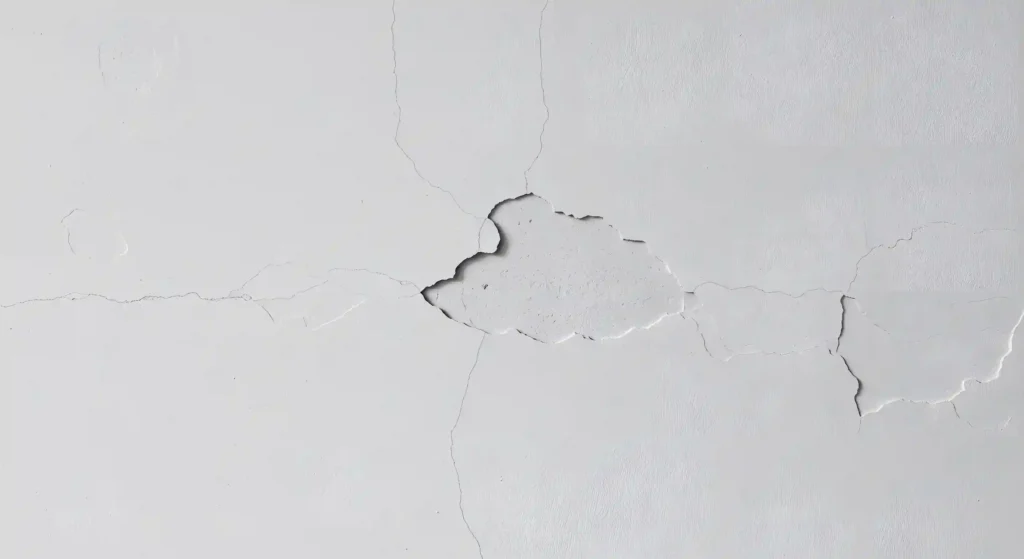
False ceilings enhance the appearance of homes, offices, and commercial spaces by concealing wiring and improving lighting. However, they can develop cracks and water damage over time if not properly maintained.
Most issues begin as small cracks or minor leaks that worsen when ignored. By using quality materials, ensuring proper installation, and performing regular maintenance, you can prevent these problems and extend the lifespan of your false ceiling.
This guide explains the common causes of false ceiling damage and practical tips to keep it in excellent condition.
What Causes Cracks in False Ceilings?
Travellers planning a Kashmir trip from Bangalore must understand the climate difference. While South India stays warm throughout the year, Kashmir experiences four dramatic seasons — from sub-zero winters to warm, breezy summers. The contrast makes it one of India’s most refreshing escapes.
What Causes Water Damage in False Ceilings?
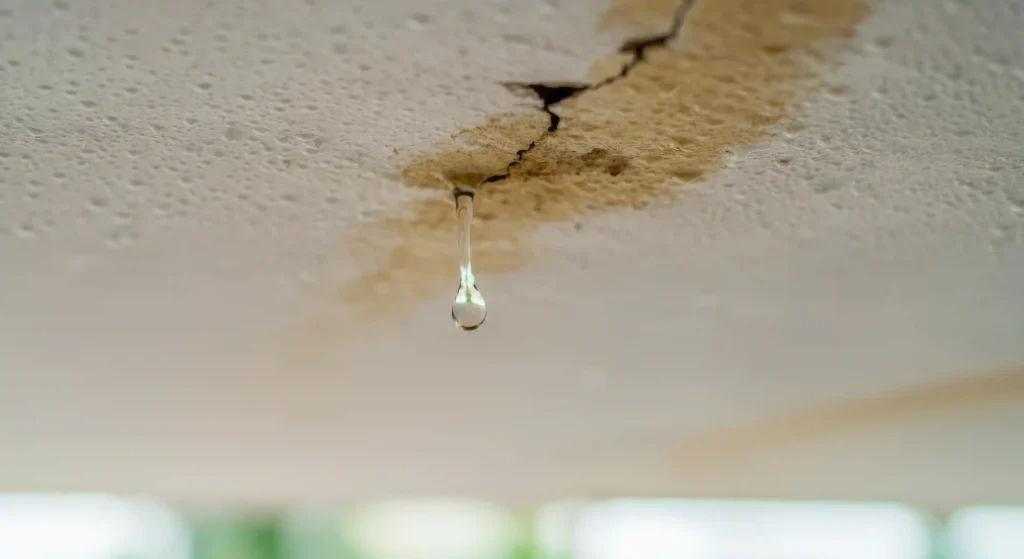
Water damage is one of the most common problems affecting false ceilings. Roof leaks, plumbing issues, air conditioner drainage problems, and poor waterproofing allow moisture to enter the ceiling and weaken its structure.
High humidity in kitchens, bathrooms, and utility rooms can also lead to condensation. Over time, trapped moisture causes stains, peeling paint, mould growth, and sagging ceiling panels.
Repairing leaks quickly and controlling indoor moisture are essential for preventing long-term damage.
Warning Signs You Shouldn't Ignore
Regular inspections can help identify problems early. Watch for these signs:
- Hairline or widening cracks
- Yellow or brown water stains
- Peeling paint
- Sagging ceiling panels
- Mold or mildew
- Damp smells
Ignoring these warning signs can lead to more extensive repairs later.
Choose High-Quality Materials
The lifespan of a false ceiling depends heavily on the materials used during installation. High-quality gypsum boards, galvanized metal framing, corrosion-resistant fasteners, and durable joint compounds provide greater strength and durability.
For moisture-prone spaces such as kitchens and bathrooms, moisture-resistant gypsum boards offer better protection against humidity and water damage. Although premium materials may cost more initially, they help reduce maintenance expenses over time.
Ensure Proper Professional Installation
Professional installation is just as important as selecting quality materials. Experienced installers ensure the framework is level, securely fixed, and properly supported. They also use correct joint finishing techniques to reduce the chances of future cracking.
Proper installation improves the ceiling’s stability and helps it withstand normal building movement without developing structural issues.
Repair Leaks Immediately
Even a small leak can cause significant damage if left untreated. Regularly inspect the roof, plumbing lines, overhead water tanks, bathroom fittings, and air conditioner drain pipes for signs of leakage.
Fixing water leaks at the source prevents stains, mold growth, sagging panels, and costly repairs, helping your false ceiling remain strong and attractive for years.
Use Moisture-Resistant Ceiling Boards
Choosing the right ceiling material is essential, especially in areas exposed to humidity. Bathrooms, kitchens, laundry rooms, and utility spaces are more likely to experience moisture buildup, which can weaken standard gypsum boards over time.
Moisture-resistant gypsum boards are specially designed to withstand humid conditions and reduce water absorption. They help prevent swelling, discoloration, mold growth, and premature damage, making them a worthwhile investment for long-term durability.
Maintain Proper Ventilation
Good ventilation plays a key role in protecting false ceilings from moisture-related problems. Poor airflow allows humidity to accumulate, leading to condensation that can damage ceiling boards over time.
To improve ventilation:
- Use exhaust fans in kitchens and bathrooms.
- Open windows whenever possible.
- Service air conditioners regularly.
- Keep indoor humidity under control.
Maintaining proper airflow helps keep your false ceiling dry and reduces the chances of mold and mildew growth.
Avoid Overloading the False Ceiling
False ceilings are designed to enhance interiors, not to support heavy loads. Installing chandeliers, ceiling fans, projectors, or decorative fixtures without proper structural support can place excessive stress on the ceiling framework.
Heavy fixtures should always be anchored directly to the building’s structural slab rather than the false ceiling itself. This simple precaution helps prevent cracks, sagging, and long-term structural damage.
Inspect and Clean Your False Ceiling Regularly
Routine inspections allow you to identify small issues before they become major repairs. Check your ceiling every three to six months for cracks, stains, loose panels, or signs of moisture.
Cleaning is equally important. Remove dust using a soft microfiber cloth or duster and avoid using excessive water or harsh cleaning chemicals. Gentle cleaning preserves the finish while making it easier to spot early signs of damage.
Promptly repairing minor cracks or leaks can save significant maintenance costs in the future.
Protect Your Ceiling During the Rainy Season
The rainy season increases the risk of roof leaks and water seepage. Before the monsoon begins, inspect your roof, waterproofing system, drainage outlets, and nearby walls for any visible damage.
Pay special attention to ceiling corners and areas around windows, as these locations are more likely to develop moisture problems. Preventive maintenance before heavy rainfall helps reduce the chances of unexpected repairs.
When Should You Repair or Replace a False Ceiling?
Not all ceiling damage requires replacement. Small cracks, minor stains, and localized water damage can usually be repaired without replacing the entire ceiling.
However, replacement becomes necessary if large sections have sagged, mold has spread extensively, the metal framework has rusted, or repeated repairs fail to solve recurring problems. A professional inspection can help determine the most suitable solution.
Conclusion
A false ceiling enhances the appearance and functionality of any interior, but it requires proper care to remain in good condition. Most cracks and water damage result from poor installation, moisture, low-quality materials, or delayed maintenance. Fortunately, these problems can be prevented through regular inspections, quality materials, timely leak repairs, proper ventilation, and professional installation.
By taking a proactive approach to maintenance, you can extend the lifespan of your false ceiling, reduce repair costs, and maintain a clean, attractive interior. Simple preventive measures today can save both time and money in the future.
Get a Free Consultation
Frequently Asked Questions
Cracks are commonly caused by poor installation, building movement, low-quality materials, or excess weight on the ceiling.
Fix leaks promptly, improve ventilation, and use moisture-resistant ceiling boards in humid areas.
Yes. Minor water damage can usually be repaired, while severe damage may require replacing the affected ceiling sections.
Inspect your false ceiling every three to six months to detect cracks, leaks, or moisture issues early.
Moisture-resistant gypsum boards are the best option for bathrooms, kitchens, and other high-humidity spaces.