
How to Prepare Your Home Before Starting Interior Work: A Complete Checklist

Turn Your Dream Home into Reality with the Right Preparation
Starting an interior renovation is an exciting step, but proper preparation is essential for a smooth and stress-free experience. We believe that careful planning before the work begins helps prevent delays, protects your belongings, and ensures every stage of the project runs efficiently.
If you’re wondering how to prepare your home before starting interior work, this guide by MMM Interiors shares simple yet essential tips to help you get your home renovation off to the best possible start.
Finalize Your Interior Design Plan Before the Work Begins
One of the first steps to prepare your home before starting interior work is finalizing every aspect of your interior design plan. From the room layout and furniture placement to flooring, false ceilings, lighting, electrical points, and storage solutions, every detail should be carefully reviewed before construction starts. We work closely with homeowners to ensure every design element is approved in advance, minimizing last-minute changes and ensuring a smooth renovation process.
Making design decisions after the work has started can lead to unnecessary delays, additional expenses, and rework. By partnering with MMM Interiors and completing your planning beforehand, you can confidently prepare your home before starting interior work and enjoy a hassle-free interior transformation.
Set a Practical Budget Before the Work Begins
Setting a realistic budget is an essential part of preparing your home before interior work. Along with estimating the cost of materials, labour, and furnishings, it’s wise to set aside a contingency fund for unexpected expenses such as electrical repairs, plumbing modifications, or structural adjustments that may arise during the renovation. we help homeowners plan their budgets carefully, ensuring complete transparency and cost-effective solutions without compromising on quality.
A well-planned budget allows you to make informed decisions throughout the project and reduces the risk of unexpected financial stress. By planning your finances in advance, you can focus on creating your dream home while ensuring the renovation progresses smoothly from start to finish.
Clear the Space to Create a Safe Working Environment
A key step to prepare your home before starting interior work is clearing the renovation area to create a safe and efficient workspace. Remove decorative items, wall art, indoor plants, rugs, curtains, and small furniture from the rooms being renovated.we recommend decluttering the space before work begins, as it allows our team to work more efficiently while protecting your belongings from dust and accidental damage.
A clean, open workspace helps speed up the renovation process, making it easier to transport materials, install fixtures, and complete every stage of the project without unnecessary interruptions. Proper preparation not only improves efficiency but also contributes to a smoother and more organized home transformation.
Protect Your Furniture and Valuable Belongings
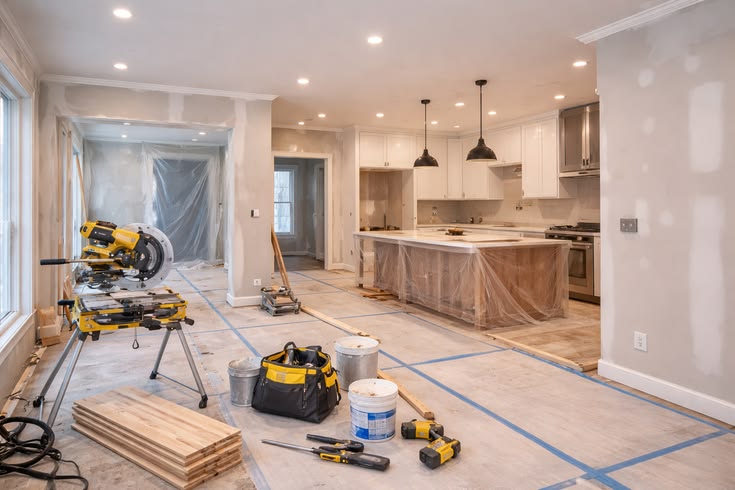
Even if some furniture cannot be moved out of the room, it should be properly covered before work begins. Construction dust travels farther than most homeowners expect and can settle on furniture, upholstery, and electronic appliances. Protective plastic sheets or fabric covers help prevent dust accumulation, scratches, and paint stains.
Important documents, jewellery, cash, and sentimental items should be stored safely away from the work area. Renovation involves constant movement of workers, tools, and materials, making it safer to keep valuables in a secure location until the project is completed.
Protect Your Flooring and Existing Fixtures
While most interior professionals take every precaution to avoid damage, heavy equipment and construction materials can still affect existing flooring and fixtures. Wooden floors, marble surfaces, tiles, doors, windows, and staircases should be protected using suitable covering materials before the renovation starts.
Taking preventive measures can save you from unnecessary repair costs later and helps preserve the parts of your home that are not being renovated.
Plan Your Daily Routine During the Renovation
Interior work can temporarily disrupt your everyday lifestyle. Activities such as drilling, painting, sanding, and carpentry generate dust, noise, and restricted access to different parts of the house. Planning your daily routine in advance can help reduce inconvenience throughout the renovation.
If the project involves major work in the kitchen or bedrooms, consider arranging a temporary living space within your home or staying elsewhere for a few days. Families with young children, elderly members, or pets may find this especially helpful.
Communicate Clearly with Your Interior Contractor
Successful renovation projects rely on effective communication between homeowners and contractors. Before work begins, discuss the project timeline, working hours, material deliveries, payment schedules, and any special requirements you may have.
Clarifying expectations from the beginning reduces misunderstandings later. Regular updates throughout the project also help you monitor progress and address any concerns before they become bigger issues.
Confirm Material Availability Before Work Starts
One of the most common reasons for renovation delays is the late arrival of materials. Before the scheduled start date, ensure that essential items such as flooring, laminates, plywood, paint, lighting fixtures, sanitary fittings, and hardware have been ordered and delivered.
Inspect all materials as soon as they arrive to check for manufacturing defects or damage during transportation. Replacing defective products before installation prevents interruptions once the project is underway.
Keep Children and Pets Safe Throughout the Project
Construction areas can be hazardous due to exposed electrical wiring, sharp tools, ladders, and heavy materials. Keeping children and pets away from active work zones is essential for their safety.
Creating temporary barriers or assigning a dedicated safe area inside the home can help prevent accidents. This simple precaution provides peace of mind while allowing the renovation team to work without interruptions.
Inform Your Neighbours About the Renovation
Interior work often involves drilling, hammering, and moving construction materials, which can create temporary noise. Informing your neighbours about the renovation schedule in advance is a thoughtful gesture that helps maintain good relationships.
Most communities appreciate prior notice, especially if the work is expected to continue for several days or weeks. Being considerate can prevent unnecessary complaints and ensure a smoother renovation experience.
Take Photos Before the Work Begins
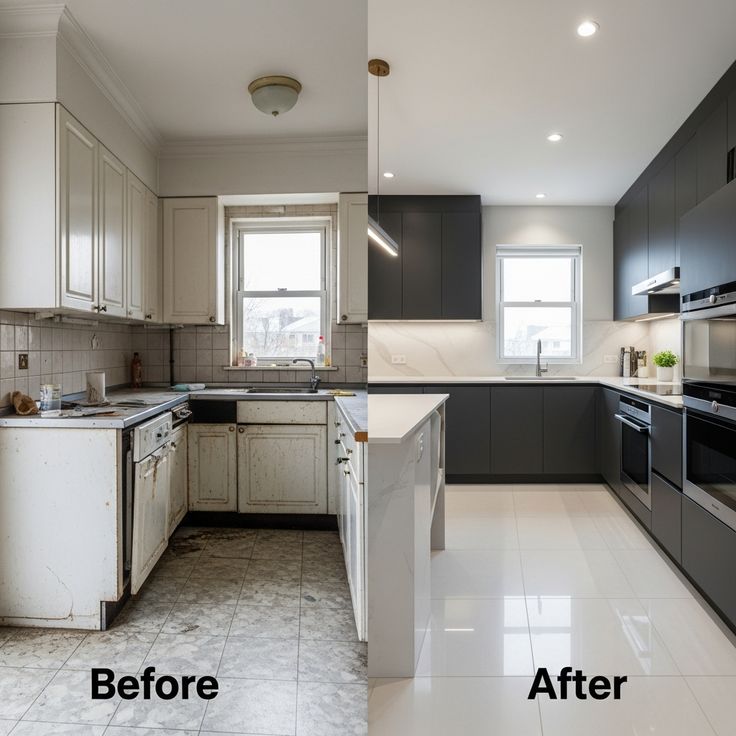
Before the first day of renovation, photograph every room that will be worked on. Capture the current condition of walls, floors, windows, ceilings, electrical fixtures, and plumbing fittings.
These photographs provide a useful reference throughout the project and can help resolve any disputes regarding accidental damage or existing conditions. They also allow you to appreciate the remarkable transformation once the renovation is complete.
Keep Essential Items Easily Accessible
During interior work, many household items will be packed away or stored in different rooms. Keeping a separate box with daily essentials ensures that your routine remains uninterrupted.
Items such as medications, phone chargers, toiletries, important documents, basic cooking utensils, and a few changes of clothes should remain within easy reach. This simple preparation saves time and reduces frustration while the renovation is in progress.
Inspect the Work Before Final Handover
As the project nears completion, carefully inspect every area before making the final payment. Check the paint finish, carpentry work, lighting installations, flooring, cabinet alignment, plumbing fixtures, and electrical connections.
Prepare a list of minor corrections or finishing touches that need attention. Reputable interior contractors generally complete these final adjustments before officially handing over the project.
A thorough inspection ensures that your newly designed home meets your expectations in both appearance and functionality.
Conclusion
Ultimately, learning how to prepare your home before starting interior work sets the foundation for your entire renovation. By organizing your layout, safeguarding your assets, and mapping out hidden costs early, you eliminate the friction that causes typical project delays.
Want a completely hassle-free renovation experience? Partner with MMM Interiors. Our expert designers and project managers handle the heavy lifting, bringing your vision to life with exceptional quality and attention to detail.
Don’t wait to start your transformation. [Reach out to the MMM Interiors team today] for a personalized quote!

Get a Free Consultation
Frequently Asked Questions
Before interior work begins, clear the work areas, pack away valuable and fragile items, protect furniture, arrange temporary living spaces if needed, and discuss the project timeline with your interior designer. Proper preparation helps avoid delays and keeps the renovation process smooth.
It depends on the scope of the project. For complete home renovations involving flooring, electrical work, painting, or modular installations, moving out temporarily can be more comfortable and safer. For smaller projects, you may be able to stay while work is completed in phases.
MMM Interiors provides end-to-end interior design and execution services, including project planning, transparent communication, quality materials, and timely completion. Their experienced team ensures every stage of your home interior project is managed efficiently for a stress-free experience.