
Modern Interior Design Styles for Homes: Which One Suits Your Space?
Choosing an interior style is not only about making your home look attractive. It should also suit your lifestyle, available space, daily routines, storage needs, and maintenance preferences. Modern Interior Design Styles offer many options, from simple minimalist spaces to interiors that combine contemporary features with traditional warmth.
If you are unsure which direction suits your home, understanding the differences between styles can make the decision easier. The right choice should feel visually appealing while remaining practical for everyday living.
What Is Modern Interior Design?
Modern interior design focuses on simplicity, functionality, clean forms, and thoughtful use of space. Every major element, including furniture, lighting, colours, materials, and storage, should have a practical or visual purpose.
Common characteristics include:
- Clean lines and simple shapes
- Functional furniture
- Balanced room layouts
- Coordinated colour palettes
- Practical storage solutions
- Well-planned lighting
- Natural and contemporary materials
- Comfortable circulation between furniture
Modern design does not mean that a home needs to look empty or cold. Wood, fabrics, plants, artwork, and textured surfaces can add warmth without creating visual clutter.
The goal is to create a home where appearance and everyday functionality work together.
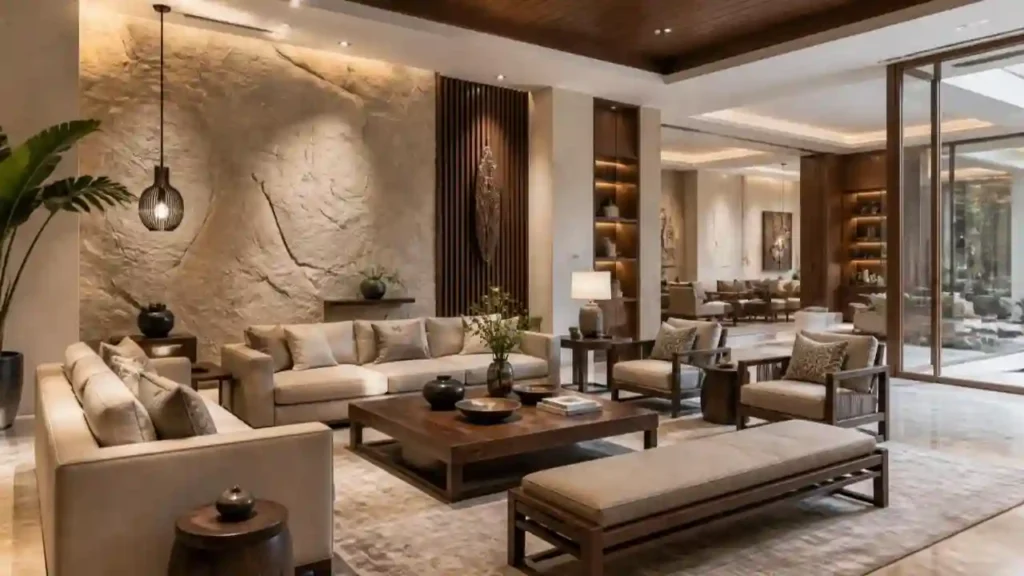
Popular Modern Interior Design Styles for Homes
Modern interiors can take different visual directions. Understanding what makes each style distinct can help you find an approach that matches your taste and home.
Minimalist Interior Design
Minimalist interiors focus on simplicity and intentional choices. Furniture is usually limited to essential pieces, while clean surfaces and restrained colours create a calm environment.
Minimalist Interior Decor works well for people who prefer an organized home with fewer visual distractions. Built-in storage, simple furniture, and carefully selected accessories help maintain a clean appearance.
Contemporary Interior Design
Contemporary design is flexible and can change as furniture, materials, and design preferences evolve. It often combines simple forms with modern finishes and carefully chosen accents.
A Contemporary Design Interior may use neutral walls with colour introduced through artwork, furniture, rugs, or lighting. This makes the style adaptable without depending on one fixed visual formula.
Modern Traditional Interior Design
Modern traditional design combines the practicality of modern planning with details inspired by traditional interiors. Wood finishes, classic forms, textured fabrics, and selected decorative elements can add warmth to a simpler layout.
Modern Traditional Interior Design can suit homeowners who want a current-looking home while retaining familiar materials and a sense of character.
Modern Rustic Interior Design
Modern rustic interiors combine natural materials with cleaner contemporary planning. Wood, stone, earthy colours, woven textures, and comfortable furniture can create a relaxed atmosphere.
The style does not require heavy decoration. Natural materials and a few carefully chosen features can provide enough character.
Mid-Century Modern Interior Design
Mid-century modern design is known for functional furniture, clean shapes, natural wood, tapered legs, and subtle retro influences.
Instead of using every characteristic, homeowners can introduce the style through selected furniture or lighting while keeping the surrounding space simple.
Mid-century modern design is known for functional furniture, clean shapes, natural wood, tapered legs, and subtle retro influences.
Instead of using every characteristic, homeowners can introduce the style through selected furniture or lighting while keeping the surrounding space simple.
What Makes a Modern Home Interior Work?
Choosing a style is only the starting point. A successful interior depends on how individual elements work together and support daily activities.
Space planning should come first. Furniture needs to be positioned according to how people move through and use the room. Leaving comfortable circulation paths can make even a compact space easier to live in.
Furniture proportions also matter. A large sofa may overwhelm a small living room, while undersized furniture can make a large room feel disconnected. Pieces should relate to the room’s dimensions.
Lighting should support different activities. Ambient lighting provides general illumination, task lighting helps with activities such as reading or cooking, and accent lighting can draw attention to artwork or architectural details.
A coordinated colour palette creates visual consistency. Neutral colours can provide a flexible foundation, while carefully selected accents can introduce personality.
Materials and textures add depth without requiring excessive decoration. Wood, stone, glass, metal, and fabrics can be combined to create visual interest.
Storage should also be considered during planning. Well-positioned storage keeps everyday items accessible while helping the room remain organized.
Modern Interior Design Ideas for Different Rooms
Each room has a different purpose, so the same design decisions should not be applied everywhere.
Living Room
A modern living room should provide comfortable seating while maintaining clear movement paths. The position of the sofa, chairs, television, lighting, and storage should reflect how the family actually uses the room.
Modern Interior Decor can be introduced through rugs, artwork, lighting, cushions, furniture, and a small number of personal accessories. Keeping some surfaces open can prevent the room from feeling crowded.
Bedroom
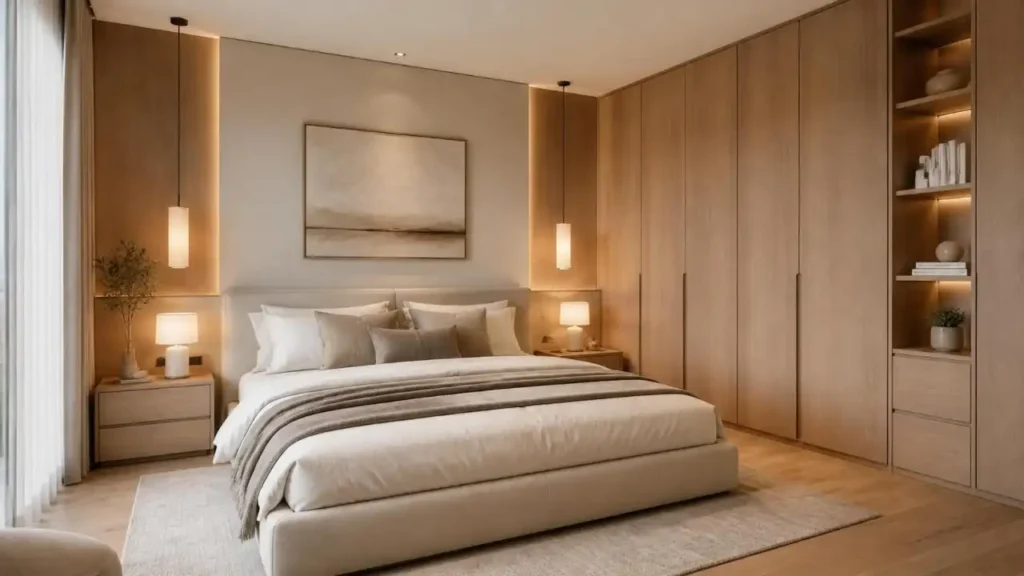
Comfort should be the priority in a bedroom. Bed placement, wardrobe access, bedside lighting, and storage should be considered before adding decorative features.
Modern Bedroom Decor can include calm colours, simple furniture, soft lighting, practical wardrobes, and limited accessories. In smaller bedrooms, appropriately sized furniture can preserve useful floor space.
Kitchen
A modern kitchen needs to support cooking, preparation, cleaning, and storage efficiently.
Kitchen Modern Interior Design can include streamlined cabinets, organized storage, practical countertops, suitable lighting, and durable finishes. Cabinet and appliance placement should follow the household’s actual cooking routine rather than appearance alone.
Dining Area and Entryway
The dining area should provide enough space around the table and chairs for comfortable movement. Appropriate lighting can also make the dining area feel more defined.
An entryway can remain visually simple while offering practical storage for footwear, bags, keys, and other frequently used items.
How to Choose the Right Interior Design Style for Your Home
There is no single style that works for every home. Start by considering how you use your space instead of choosing a style only because it looks attractive in photographs.
- Home size and layout are important factors. A compact apartment may benefit from streamlined furniture and efficient storage, while a larger home may offer more flexibility with furniture arrangements and materials.
- Your lifestyle should influence the decision as well. A busy household may need durable furniture and easy-care surfaces, while someone who prefers a quieter environment may feel more comfortable with a minimalist approach.
- Think about maintenance before selecting materials, fabrics, and finishes. Attractive choices are not always practical if they require more care than your routine allows.
- Your budget should also guide priorities. You do not need to complete every design element at once. Start with important foundations such as layout, essential furniture, lighting, and storage before adding decorative details.
- Also consider natural light, storage requirements, preferred colours, materials, existing furniture, and how your preferences may change over time.
- For a cohesive Modern Home Design Interior, choose an approach that feels comfortable and practical for your household rather than following a short-term trend.
Modern Interior Design Styles: A Quick Comparison
| Style | Key Characteristics | Best For | Overall Feel |
|---|---|---|---|
| Minimalist | Essential furniture, simple forms, limited decoration | People who prefer visual simplicity | Calm and uncluttered |
| Contemporary | Adaptable forms, current materials, flexible accents | Homeowners who like evolving interiors | Fresh and refined |
| Modern Traditional | Modern planning with classic details | Homes seeking warmth and character | Elegant and comfortable |
| Modern Rustic | Natural materials, earthy tones, relaxed textures | Homes that favour a warm atmosphere | Natural and welcoming |
| Mid-Century Modern | Functional furniture, natural wood, distinctive forms | People who enjoy subtle retro character | Stylish and balanced |
This comparison is a starting point rather than a strict rule. Different influences can work together when colours, materials, proportions, and furniture choices remain visually consistent.
Modern Interior Design for Indian Homes
- Modern interiors can be adapted to Indian apartments, 2BHK and 3BHK homes, villas, and independent houses. The most effective approach is to respond to the actual requirements of the household rather than copy a fixed style.
- In compact homes, storage can have a major impact on usability. Built-in wardrobes, organized cabinets, and multifunctional furniture can help make better use of limited floor space.
- Kitchen planning should reflect cooking habits. Cabinet organization, countertop space, appliance placement, ventilation, lighting, and easy-to-maintain surfaces can all influence how practical the kitchen becomes.
- Natural light and ventilation should also be considered when arranging furniture and selecting window treatments. Wood finishes can add warmth, while durable materials can be useful in areas that receive frequent use.
- For family homes, flexible furniture can allow rooms to support different activities throughout the day. Ultimately, a modern Indian home should reflect its occupants, space, routines, and practical requirements rather than follow a single formula.
Conclusion: Choosing the Right Modern Interior Design Style
The right style should make your home attractive without compromising everyday comfort. Minimalist, contemporary, modern traditional, rustic, and mid-century modern approaches each offer different possibilities. Consider your home’s layout, lifestyle, maintenance needs, budget, storage requirements, and personal preferences before deciding. The most suitable Modern Interior Design Styles are the ones that fit naturally into the way you live and remain practical over time.
Get a Free Consultation
Frequently Asked Questions
Minimalist, contemporary, modern traditional, modern rustic, and mid-century modern are common options.
Look at your home's layout, daily habits, preferred look, upkeep requirements, and budget.
A minimalist approach can make a compact home feel more open by keeping furniture and decoration purposeful.
Natural wood, layered lighting, fabrics, greenery, and tactile surfaces can make a modern space feel more inviting.
Yes, the approach can be adapted to different Indian home layouts by considering storage, cooking needs, ventilation, and available space.