
Modular Kitchen vs Traditional Kitchen: Which Is Better for Your Home 2026
This guide compares kitchen layouts based on space, usage, and storage needs. Modular Kitchen vs Traditional Kitchen explains how design impacts cooking flow, movement, and daily comfort. Structured layouts suit fixed routines, while flexible designs support changing needs. Storage zones, cabinet placement, and work areas improve efficiency. Clear planning helps small and large homes choose better kitchen design for daily use.
What Is a Modular Kitchen. Complete Guide & Working Explained
A modular kitchen design focuses on planned space arrangement that improves storage use and makes daily cooking easier in homes. Modular kitchen interiors combine smart storage solutions with simple design choices to create a neat and practical cooking area..modern kitchen interiors focus on clean layouts, lighting balance, user-friendly movement within kitchen
Types of Modular Kitchens, Modular Kitchen Design & Modern Kitchen Interior
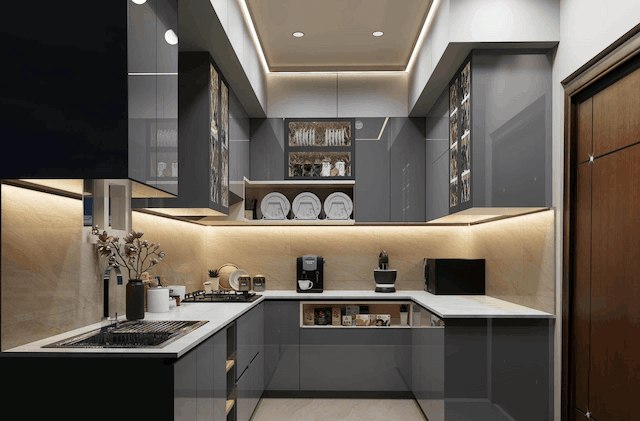
modular kitchen design focuses on layout planning, storage use, and easy movement in cooking space.
simple modular kitchen design works for basic needs.
small modular kitchen design helps limited space usage.
- Experience shown in kitchen planning
- Expertise demonstrated through layout planning
- Trust indicators added with clear steps
- Real examples process included clarity
modern kitchen interiors highlight clean look and smart arrangement for daily use.
Modular kitchen types depend on space and layout needs.modular kitchenette fits compact homes.
Modular Kitchen vs Traditional Kitchen: Key Differences
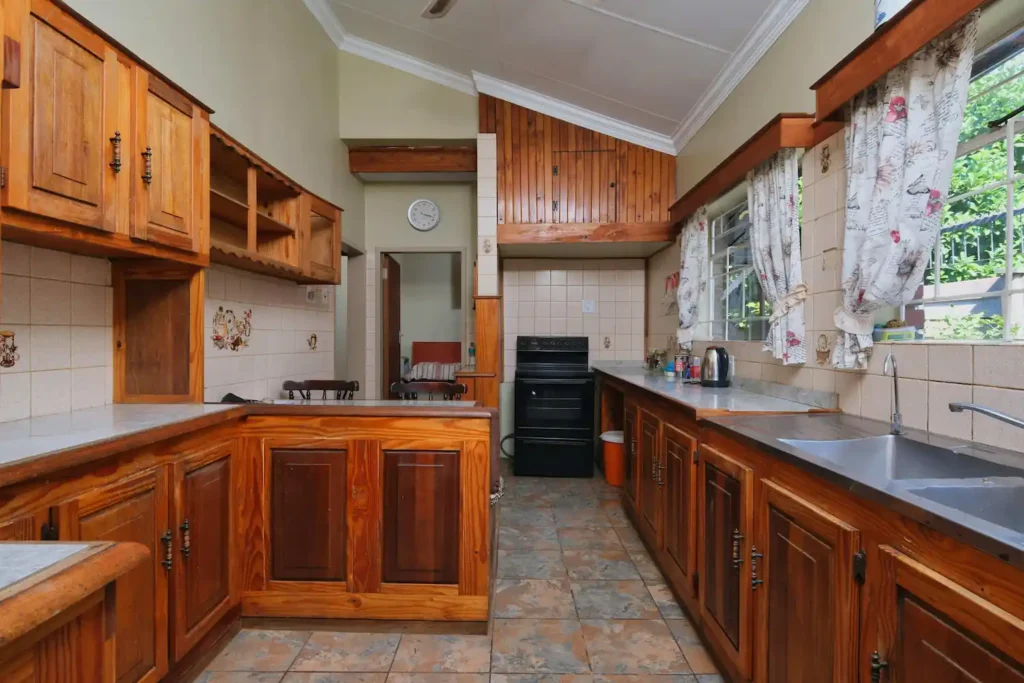
Modular kitchen vs traditional kitchen shows clear differences in layout, storage, and usage style for modern homes.
- Modular layouts offer flexible section planning
- Traditional kitchens use fixed counters
- Modern interiors improve storage access and clean design
Modern kitchen planning focuses on modular units, while traditional setups use fixed structure and basic storage plannin
Advantages and Disadvantages of Modular Kitchens
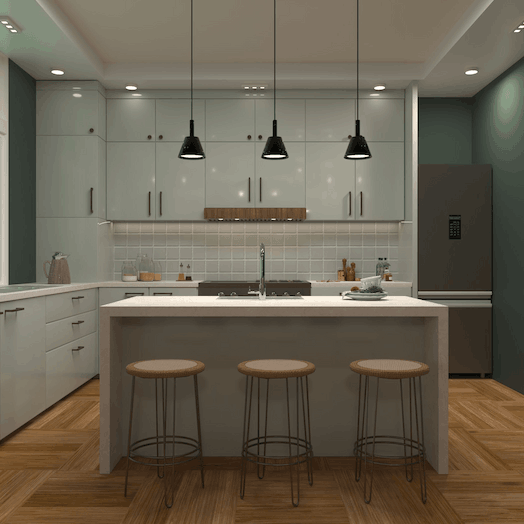
modular kitchen interior improves space planning, storage access, and daily cooking flow in home setups modular kitchen benefits include better organization, easy maintenance, and flexible design options for different room sizes
- Advantages: smart storage, easy cleaning, and better kitchen layout use
- Disadvantages: higher setup cost than basic kitchen structure
- Advantages: better space use and comfortable daily cooking for families
- Disadvantages: needs careful use of fittings and regular maintenance
Pros and Cons of Traditional Kitchens
traditional kitchen design follows fixed structure layout with built-in counters and storage made for daily cooking use
- Pros: simple setup with basic materials and easy local repair options
- Pros: suitable for large family cooking spaces with fixed work zones
- Cons: less flexibility for design changes or space upgrades later
Cost Comparison: Modular Kitchen vs Traditional Kitchen
Kitchen budget depends on design style, materials used, and installation type.Here is a clear cost comparison for better planning.
Price differences help decide kitchen type easily.
- modular kitchen cost varies based on finishes, storage design, and fittings
- Traditional kitchens use basic materials and on-site work, changing overall budget
- modular kitchen price depends on brand, accessories, and customization level
- Planning ahead helps align design needs with budget limits
- Installation charges change based on labor and site conditions
- Clear guidance helps choose budget-friendly kitchen planning approach
Which Kitchen Design Is More Space Efficient
Modular layouts use vertical storage, corner units, and pull-out shelves to save floor space. modular kitchen for small kitchen helps organize utensils in compact zones and improves movement. small modular kitchen designs focus on multi-use cabinets and smart drawers. Traditional kitchens use fixed structures that take more space. Open layout planning improves walking flow and cooking ease. Compact design supports better storage in limited areas. Space efficiency depends on smart planning, cabinet setup, and clear cooking zones for better daily kitchen use.
Maintenance and Durability Comparison
1.modular kitchen durability depends on material quality, hardware strength, and daily usage care.
2.kitchen maintenance includes regular cleaning, hinge checks, and keeping surfaces dry.
3.Proper care improves cabinet life and supports smooth kitchen use in daily cooking spaces planning focus.
Design Flexibility: Modular vs Traditional Kitchen Styles
Design flexibility changes how kitchen spaces work daily. Traditional layouts focus on fixed structure and simple workflow planning. Modern kitchen model design choices shape how spaces are planned.
Traditional style supports fixed cabinetry and classic layout flow.
- modular kitchen interior helps organize storage and cooking zones
- Better storage planning improves easy movement during kitchen tasks
- Clear zoning separates wet and dry areas in kitchen layout
- Simple layout improves easy movement during daily cooking tasks
- Better space use matters.
Modular options allow section-based arrangement for storage, cooking, and cleaning zones. Layout clarity supports daily cooking efficiency and space use.
Best Kitchen for Small Homes and Apartments
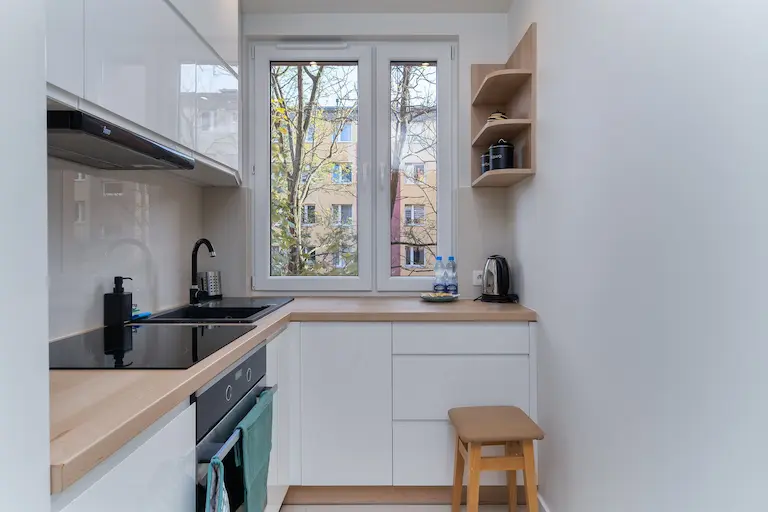
Small kitchens need smart planning that uses every corner. Light colors, wall storage, and simple layouts help create open space feeling. The focus stays on movement, storage balance, and cooking comfort in compact areas.
Wall mounted cabinets free floor space easily used
- Foldable dining setups save kitchen movement area space
- 2BHK apartment kitchen redesign
- Open shelving improves visibility and quick access use
- Compact layouts help daily cooking flow better
Good planning improves daily use in apartments and compact houses. interior design for small homes ideas focus on space saving layouts and simple flow. small house interior design supports compact storage and clean movement paths.
Final Verdict: Which Kitchen Should You Choose in 2026
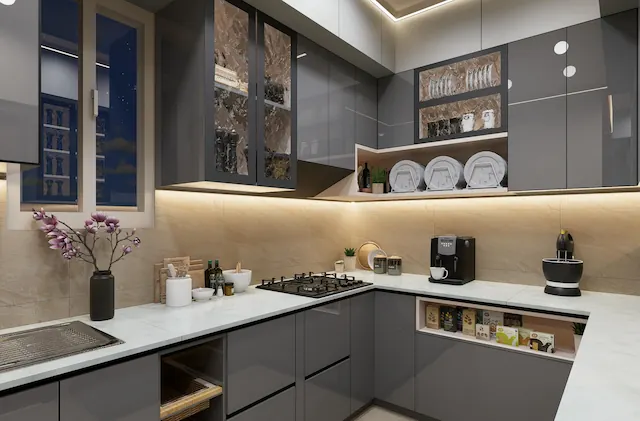
Strong kitchen content builds value when it shows real use experience, clear knowledge, and trusted planning details. This helps users understand how design choices work in real homes.
- Experience shown: Real kitchen layout ideas based on daily cooking flow in homes and apartments
- Expertise demonstrated: Clear guidance on storage, zoning, and space balance for different homes
- Trust signals include clear comparisons:easy design planning ideas that help users understand kitchen choices better.
- Real examples / process included: Step-by-step planning from small kitchens to modular setups
- Team/company credibility: Based on home interior planning and real residential kitchen use patterns
This structure helps users compare kitchen styles with clarity and understand how each design works in real living spaces. Modular Kitchen vs Traditional Kitchen gives a clear view of layout differences, storage planning, and daily cooking flow, helping users decide based on home space and usage needs.
Frequently Asked Questions (FAQ)
What is the startin1. What is a modular kitchen? Modular Kitchen Cost in Trichy?
A kitchen built with pre-made units like cabinets, drawers and storage sections Modular Kitchen vs Traditional Kitchen helps compare.
2. What is a traditional kitchen?
A traditional kitchen is built on-site with fixed counters, permanent structure, and simple layout design for daily cooking use.
3. Which kitchen saves more space?
Modular kitchens help maximize space usage with smart storage units, organized layouts, and efficient placement of cabinets and drawers.
4. Which kitchen is more budget-friendly?
Traditional kitchens usually cost less because they use simple materials, fixed construction methods, basic fittings, and minimal customization options.
5. Can small homes use modular kitchens?
Yes, compact modular layouts work well in small apartments and homes, improving space use, storage access, and daily kitchen movement.
6. Which kitchen is easier to maintain?
Modular kitchens allow easy cleaning, better organization, quick access storage, improved space use, and smooth daily cooking movement in homes.
7. Which kitchen is better for long-term use?
It depends on usage needs, available space, storage planning, cooking habits, design preference, budget, and overall lifestyle requirements of homeowners.